The Internet's Premier Classical Music Source
Related Links
Recommended Links
Site News
Site Search
Follow us on


Affiliates









Bach Cantata Listener's Guide
Der Himmel lacht, die Erde jubilieret (The heavens laugh, the earth rejoices)
Cantata 31
- Easter Sunday
- Epistle: 1 Corinthians v. 7-8 (Christ our Passover is sacrificed for us)
- Gospel: Mark xvi. 1-8 (Christ is risen)
- Rating: 2+
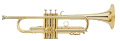
Bach clearly had a full complement of musicians available to him for this Weimar Easter festival cantata and this is reflected throughout in the unusually full orchestration. If you and your group are ever tempted to perform this cantata then make sure that you buy your trumpeter a stiff drink before he plays the opening movement (two, if he's playing a natural trumpet). He'll need it! This is an instrumental tour-de-force that is immediately followed by an equally exuberant choral movement, unusual in being in five parts, with divided sopranos. Again, this is an excellent opportunity for an outstanding choir to show off. After this, the tempo relaxes a bit with a recitative followed by an aria notable mostly for its heavily dotted rhythm. The alternation of recitative with aria continues and introduces a more attractive tenor aria and finally brings us a soprano solo aria of outstanding beauty both lyrically and musically. It's nominally a soprano solo but I think that it's better described as a duet for soprano and oboe, the two parts are so intimately entwined. I can't begin to describe it adequately. All I can say is that this tender song should be in the repertoire of every soprano who cares about the baroque and that you should go out of your way to hear it. The cantata ends with a straightforward chorale setting accompanied by full orchestra.
Copyright © 1996 & 1998, Simon Crouch.